
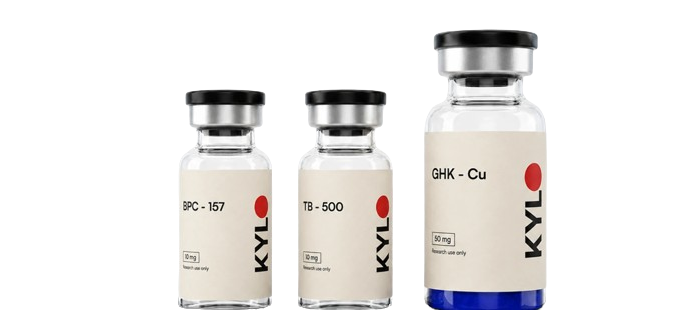
BPC-157, a synthetic peptide derived from a protein found in gastric juice, has garnered attention for its potential therapeutic benefits. As research into peptides expands, BPC-157 stands out due to its purported ability to accelerate healing processes and reduce inflammation. Despite the growing interest, it is crucial to examine the evidence supporting these claims and recognize the limitations of current research while addressing key questions surrounding its use.
The primary allure of BPC-157 lies in its reported efficacy in promoting tissue repair. Studies conducted on animal models have demonstrated promising results; for instance, BPC-157 has been observed to expedite the healing of tendons, check this article ligaments, muscles, and even bone injuries. Additionally, it appears to possess protective effects on organs such as the liver and intestines. These findings suggest that BPC-157 could potentially be a versatile tool in regenerative medicine.
Moreover, BPC-157 is believed to exert anti-inflammatory effects by modulating various biological pathways. It may influence growth factor production and angiogenesis—processes critical for wound healing—and also interact with neurotransmitter systems that regulate pain perception. Such multifaceted actions make it an intriguing candidate for managing chronic inflammatory conditions.
However, despite these promising insights from preclinical studies, significant limitations exist within the current body of research. Most notably, human clinical trials are scarce; thus far, much of what is known about BPC-157 comes from animal studies or anecdotal reports from individuals who have experimented with self-administration. This gap highlights a pressing need for rigorously designed clinical trials to evaluate both safety and efficacy in humans comprehensively.
Additionally, questions remain regarding optimal dosing protocols and long-term effects of using BPC-157 regularly over extended periods. The lack of standardized guidelines complicates efforts among researchers aiming at establishing consistent results across different study populations or experimental settings—a challenge further compounded by variations inherent between individual responses due largely because each person’s physiology can react differently when exposed externally sourced compounds like peptides which might behave uniquely depending upon genetic predispositions present within their DNA makeup itself!
Furthermore – regulatory considerations must not be overlooked either since currently available forms typically fall under classification dietary supplements rather than pharmaceutical agents meaning they’re subject less stringent oversight compared those drugs approved through traditional channels via rigorous testing procedures involving multiple phases before reaching marketplace availability consumers worldwide! This raises important ethical concerns about ensuring public safety given potential risks associated misuse unregulated substances especially considering possible interactions existing medications already prescribed patients dealing complex health issues concurrently involved treatment regimens requiring careful coordination healthcare providers knowledgeable field expertise necessary navigating intricacies modern medical landscape successfully achieving desired outcomes safely effectively ultimately benefitting everyone concerned equally well-informed decisions based sound scientific evidence available today tomorrow onward into future yet unseen horizons awaiting discovery exploration alike!